
Tree risk assessment
An independent answer to the question that matters: how likely is this tree to fail, what would it hit, and what should you do about it? I’m TRAQ qualified, and I don’t sell tree work.
How I read a tree
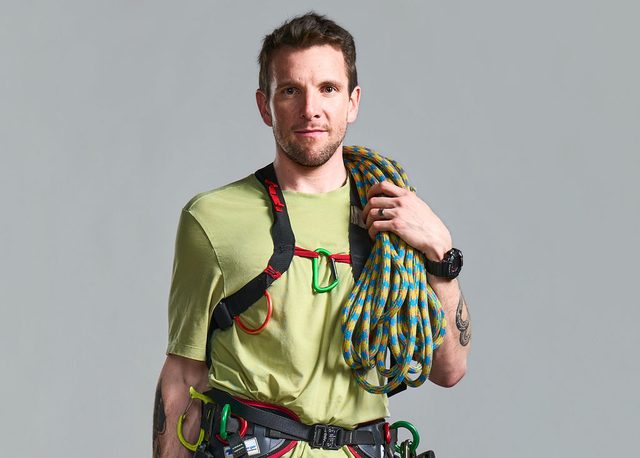
Before I assessed trees for clients, I assessed them for myself. As a climbing and utility arborist, reading a tree’s structure was how I decided whether to trust my life to it. I’ve been in the canopy in wind, worked trees after storms and seen what actually fails under load.
A tree doesn’t have to look unhealthy to be a risk. Decay, cracks, weak unions, root damage and old wounds can all compromise it in ways that aren’t obvious from the ground. And plenty of trees that look alarming are sound. A good assessment tells the two apart.
I use the ISA Tree Risk Assessment Qualification (TRAQ) method, the industry standard, so the result is consistent, documented and defensible. The method sits on top of field experience, not in place of it.
Three levels of assessment
Level 1, limited visual
A walk-through or drive-by survey to find the trees with obvious defects that need a closer look. Suits large properties, campuses, parks and municipal inventories, where the goal is to find and prioritize.
Level 2, basic
The standard assessment. A detailed inspection of the whole tree from the ground, including the roots, trunk and crown, with simple tools such as a sounding mallet and probe. It covers the likelihood of failure, the likelihood of hitting something, and the consequences, and ends with a written report.
Level 3, advanced
When a Level 2 finds something that needs a closer look. That might be a climbing inspection of the upper canopy, a root collar excavation with the AirSpade to check for buried decay or girdling roots, or other diagnostic tools. I do the climbing and excavation myself.
What the report gives you
- The tree’s identification, location, size and condition
- The defects found and the parts of the tree most likely to fail
- What is within reach if it does: people, homes, cars, power lines
- A risk rating of low, moderate, high or extreme, over a stated timeframe
- Mitigation options, such as pruning, cabling or bracing, moving targets, or removal, and the risk that remains after each
- A recommended reinspection interval
No assessment can make a tree risk-free, and conditions change over time. The report states its limits clearly so you can make an informed decision. See the professional disclaimer.
Who it’s for
- Homeowners worried about a tree over the house, driveway or play area
- Neighbours in a dispute who need an independent, documented opinion
- Property and facility managers who need a defensible record and a priority list
- Municipalities managing street and park trees
- Insurers and lawyers who need the condition of a tree documented at a point in time
- Development sites, where retain or remove decisions need to be backed by risk evidence
- Anyone after a storm who needs to know what is urgent and what can wait
If you’ve had a quote to remove a tree and want an independent opinion first, that’s exactly what this is for. For a quick read on one tree, a video consultation through TreeTruth may be enough.
Why independence matters
Many risk assessments are done by the company that would also be paid to remove the tree. I don’t sell removals, pruning or tree care, so my recommendations rest on what the tree and the site actually need.
Common questions
Is my tree dangerous?
A tree can look healthy and still have a serious structural defect, and a tree that looks rough can be perfectly stable. The only way to know is an assessment that looks at the whole tree, what it would hit if it failed, and how likely that is. That is what a TRAQ assessment does.
Will you tell me to remove the tree?
Only if removal is the reasonable answer. I do not sell tree work, so there is nothing to gain from recommending it. Most assessments end with options such as pruning, support systems, moving what is underneath, or simply monitoring, each with the risk that remains after it is done.
Can a risk assessment be used for insurance or a dispute?
Yes. A TRAQ report documents the tree’s condition and risk at a point in time using a recognized method, which is why insurers, municipalities and courts accept it. If a neighbour dispute or claim is involved, tell me at the start so the report covers what will be needed.
How often should a tree be reassessed?
Trees change, and an assessment has a timeframe, usually one year. The report recommends an inspection interval based on the tree’s condition and what is around it. After a major storm or construction nearby, it is worth having it looked at again sooner.
Do you assess trees after storm damage?
Yes. After a storm the questions are what failed, whether the rest of the tree is now at risk, and what needs to happen first. I can usually tell you on site which trees need urgent work and which can wait.
Worried about a tree?
Tell me where it is, what it is near and what you have noticed. Photos help. I will tell you what kind of assessment makes sense.
brent@bhconsultingarb.ca
Based in Hamilton. Working across Toronto, Mississauga, Oakville, Burlington and Hamilton.